
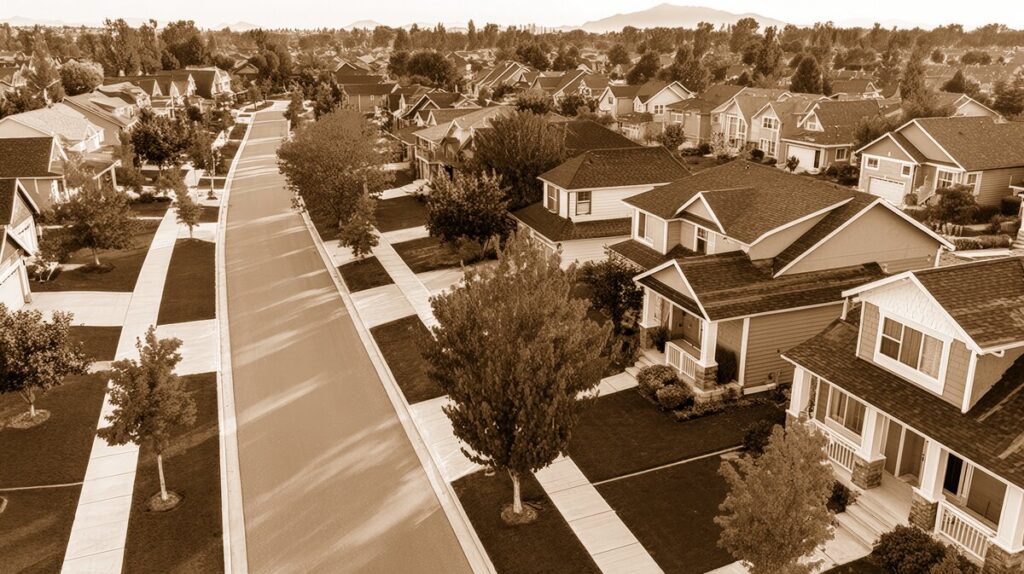
Viers Mill Village, a charming enclave nestled in the heart of Wheaton, Maryland, is a neighborhood steeped in history and enriched with a sense of community spirit that has endured for generations. From its origins in the post-World War II era to its transformation into a vibrant suburban neighborhood, Viers Mill Village stands as a living testament to Wheaton’s growth and the everyday stories that define it.
The Origin Story: From Mill to Village
The story of Viers Mill Village begins with the mill itself—a water-powered grist and sawmill once run by the Viers family in the 19th century. Situated along Veirs Mill Road (note the alternate historical spelling of “Veirs”), the mill was an essential center for agriculture and trade, providing goods and grain for local farmers and shaping the earliest settlement patterns in the area.
- The original mill was established by Samuel Clark Viers, whose name would be immortalized both in the road and the neighborhood that grew nearby.
- Veirs Mill Road (Maryland Route 586) became one of Montgomery County’s main arteries, linking Rockville to Wheaton and Silver Spring.
The area remained largely rural through the early 20th century, characterized by farmland, woodlands, and the unmistakable hum of the mill beside the banks of Rock Creek.
The Birth of Viers Mill Village
It wasn’t until the 1940s, in the aftermath of World War II, that Viers Mill Village truly began to take shape. As Washington, D.C.’s population exploded and returning veterans sought affordable homes, the metropolitan region saw a wave of suburban development.
- In 1946, the first homes of Viers Mill Village were constructed just east of Wheaton’s downtown triangle.
- Developers capitalized on the proximity to Veirs Mill Road and Georgia Avenue, two major thoroughfares that offered easy access to D.C. and nearby commercial centers.
The new “village” featured modest yet inviting single-family homes, built primarily for working-class families. Many of these houses still line streets like Valleywood Drive, Claridge Road, and Selfridge Road—offering a glimpse into classic mid-century American architecture.
Key Historical Milestones
Viers Mill Village holds a unique place in Montgomery County's history as one of the earlier planned communities designed for GIs and their families. Over the decades, several significant moments have shaped the neighborhood:
- The Schoolhouse: Viers Mill Elementary School, located at 11711 Joseph Mill Road, remains a cornerstone for local families. Opened in 1952, it served as both an educational institution and a community hub.
- Parks and Playgrounds: The creation of Viers Mill Local Park provided residents with green space, ballfields, and a place for outdoor gatherings—an essential asset that preserved a sense of nature amid the suburban sprawl.
- Transportation Links: The rise of Metrobus routes and, eventually, the Wheaton Metro Station, just a mile away, brought greater accessibility, making the neighborhood attractive to new generations of commuters.
Notable Landmarks and Community Icons
While Viers Mill Village is primarily a residential neighborhood, its landscape is dotted with memorable landmarks:
- Rock Creek Woods and Surroundings: The edges of Viers Mill Village brush against the leafy corridors of Rock Creek Park, offering walking and biking trails just steps from homes.
- Historic Veirs Mill Road: The road itself stands as a living landmark, its modern traffic a reminder of its long-standing economic and social significance.
- St. Catherine Laboure Church: Founded in the 1950s, this church on Claridge Road has long been a gathering place for worship and cultural events.
- Community Centers: Over the years, local homeowners’ associations have helped maintain a tight-knit village character, organizing block parties, holiday parades, and neighborhood clean-ups.
The Heartbeat of the Village: Community Life
What sets Viers Mill Village apart is the warmth and resilience of its community. Lifelong residents recall neighborhood barbecues, weekend soccer matches at the park, and Fourth of July fireworks visible from front yards. Through periods of change—whether boom times or challenging years—the people of Viers Mill Village have adapted while holding tightly to their shared heritage.
- The schools, parks, and churches are not just amenities; they are anchors for generations of families.
- Friendly neighbors and active community groups promote a sense of belonging and safety, looking out for newcomers and old-timers alike.
How Viers Mill Village Has Evolved
Today, Viers Mill Village stands at a fascinating crossroads between past and present:
- Architectural Diversity: While many original homes still stand, contemporary additions and renovations reflect the diversity of today’s residents.
- Cultural Tapestry: The neighborhood has grown increasingly multicultural, with families from around the world enriching local traditions and cuisine.
- Urban Conveniences, Suburban Feel: Quick access to the Wheaton Plaza shopping center, bustling Georgia Avenue, and public transportation means that residents enjoy the perks of city living while preserving their neighborhood’s quiet, tree-lined charm.
Recent years have also inspired new initiatives—community gardening, sustainability efforts, and greater engagement with the local school—all of which carry forward the spirit of stewardship established by the village's earliest founders.
Why Viers Mill Village Remains Special
For those who call it home, Viers Mill Village is more than just a neighborhood—it is an enduring community where every block has a story and every resident helps write the next chapter. Whether you’re strolling along Norris Drive under a canopy of oaks or cheering on students at Viers Mill Elementary, the sense of connection and pride is unmistakable.
Those who grew up here often return to raise their own families, drawn by fond memories and strong ties. New arrivals quickly discover a place where history lives not just in landmarks, but in daily life—from the laughter in the parks to the friendly waves between neighbors.
In Viers Mill Village, the past is present, and every day offers an opportunity to celebrate the legacy of a unique Montgomery County treasure.